 ▶Watch on YouTube
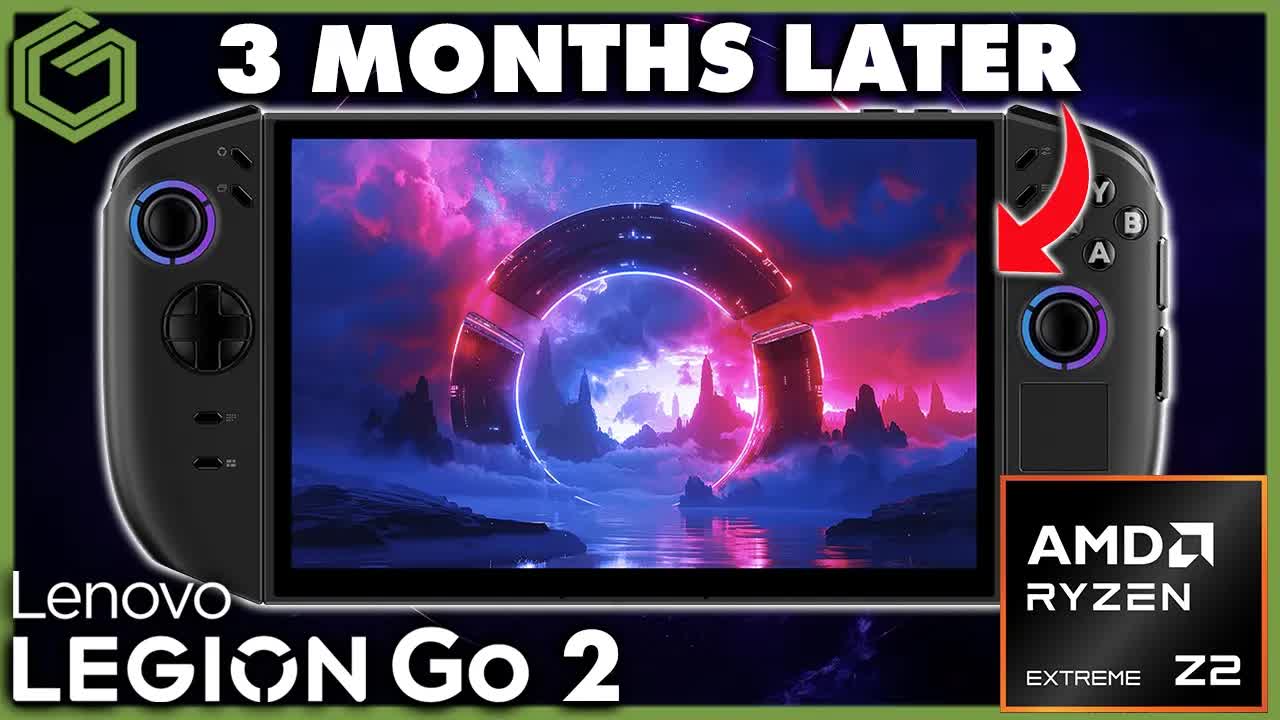
It's been about three months since I reviewed the Lenovo Legion Go 2 Z2 Extreme at launch. That was mostly a positive review with a mix of negatives, and everything in it still stands, minus a couple of things that have changed. Lenovo has fixed some of my launch issues, but some concerns remain. All in all, it's been a solid experience with some normal launch bugs, and it has been improving over these first three months. Here are the bads and goods from living with it.
- My own unit has had no problems at all since launch, and the build quality has held up.
- The 8.8-inch OLED with 144Hz VRR and HDR is still the best display I've personally used on a PC handheld.
- The Z2 Extreme isn't a huge FPS leap over the Z1 Extreme, but the efficiency is the real story.
- Lenovo fixed the launch performance issues in games like Cyberpunk 2077 with new BIOS and power management drivers.
- The $1,349 price, the size and weight, and no new GPU driver since the September 2025 ones are my main concerns.
The model I'm using
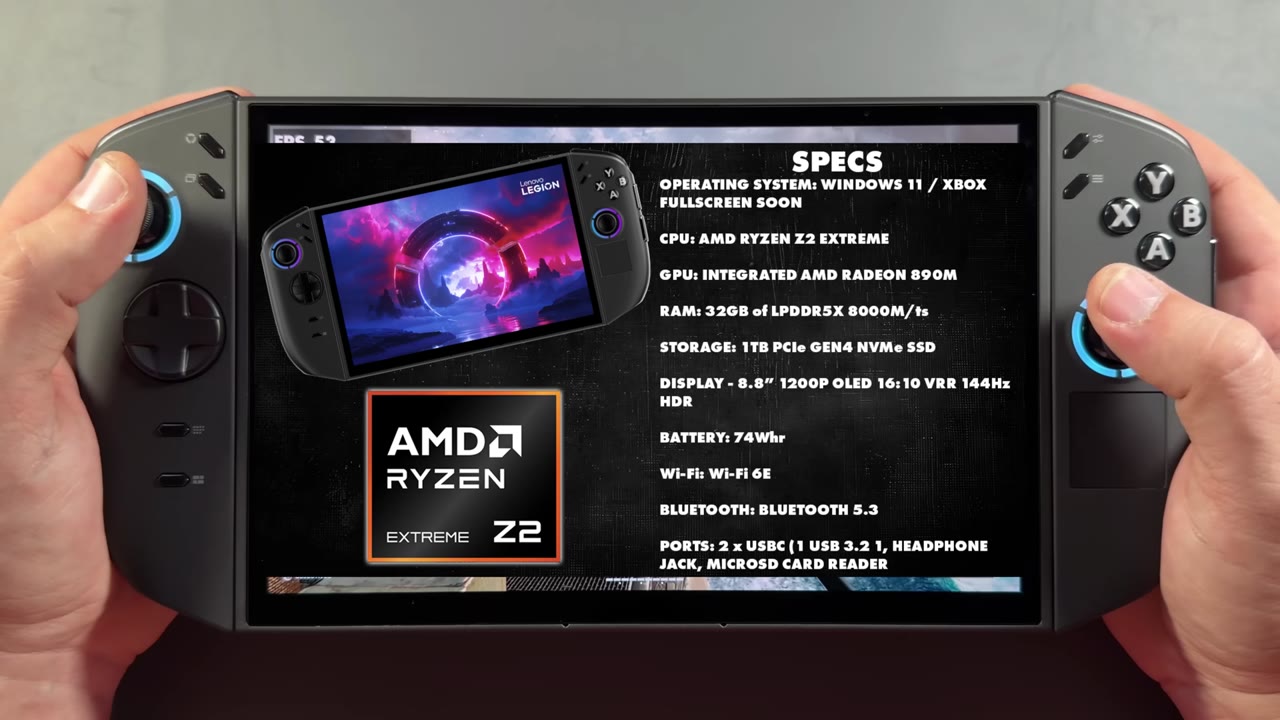
This is my own Legion Go 2 with the Z2 Extreme. It's the $1,349 model.
- AMD Ryzen Z2 Extreme with integrated AMD Radeon 890M
- 32GB LPDDR5X-8000
- 1TB PCIe Gen4 NVMe SSD
- 8.8-inch 1200p OLED, 16:10, VRR, 144Hz, HDR
- 74Whr battery
- Wi-Fi 6E and Bluetooth 5.3
- Two USB-C ports, headphone jack and microSD card reader
- Windows 11, with the Xbox full screen experience coming soon at the time
The bad
The price
This first one isn't just about the Go 2, but about many of the new PC handhelds coming out. It seems long gone are the days when the Steam Deck, the ROG Ally and the Legion Go were all under 700 bucks, just two to three years ago. This price increase started well before the tariffs and the AI memory shortages, though those are definitely impacting tech prices more than ever. In today's odd 2026 market, the $1,349 retail price for the Legion Go 2 Z2 Extreme may not seem so bad. But it's still double the cost of the original Legion Go, and at well over $1,000, it's well into the enthusiast market. That's exactly what Lenovo said they were doing with this device, but it's really a step backwards in growing the larger mainstream PC handheld market compared with where we were not that long ago.
Weight and ergonomics
Don't get me wrong. As I said in my review, it's actually a lot more comfortable to hold than the original Legion Go, thanks to the new controller design and materials. But it's a bit bulkier and heavier, and it's still a large device. It's not necessarily going to work for everybody. The trade-off is that you get a really large screen for a handheld, a built-in kickstand and removable controllers, so depending on how you use your device, your mileage will vary. Weight and comfort are something I've struggled with on and off for these first three months, but I'm used to it, because I had the same issues with the original Legion Go. I knew what I was getting into, and ultimately I still love the device.
Legion Space
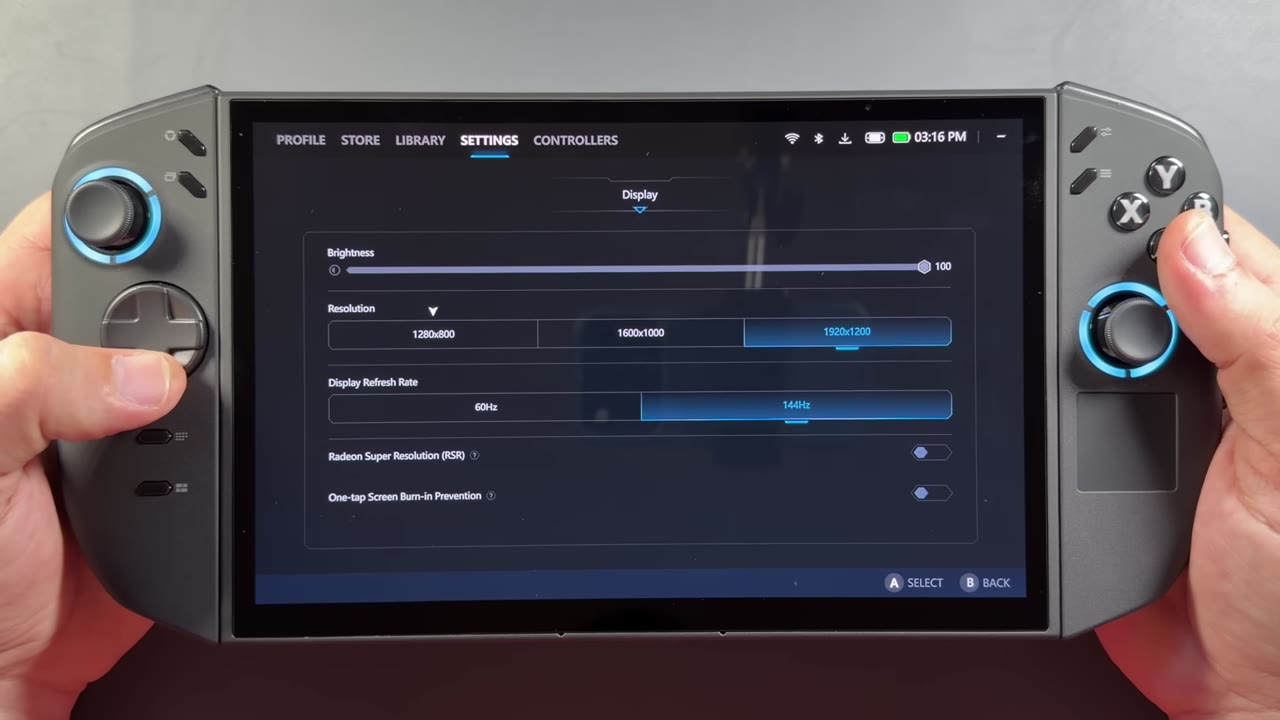
Legion Space has come a long way since the original Legion Go launched and has become a very capable piece of software for running the device, so I don't have a lot to complain about here. I would like to see more options in Legion Space, though, like the ability to change VRAM settings, CPU boost or EPP settings, along with access to Adrenalin settings, just as some examples.
The GPU driver situation
My biggest annoyance with both the original Go and now the Go 2 is the GPU driver situation. It's only been three months, so I'm not making a full judgment here, but keeping the GPU driver up to date is one of the more important things for these handhelds. We've received some great updates that fixed performance (more on that below), but we haven't had a new GPU driver update since the September 2025 ones. We're bound to see new games in 2026 that have some issues, like before, and I don't want to see the same pattern of GPU driver updates every six to nine months like with the original Go.
It's not all Lenovo's fault, necessarily. I do blame AMD for not having direct driver support for the Z series, back with the Z1 Extreme and now with the Z2 Extreme, like they do for their other APUs. That makes us wait for OEMs like ASUS, Lenovo, MSI and others to get the updates ready.
Honestly, it's not the worst list of negatives, and nothing I'd call a deal-breaker in any way. These are just the things at the top of my mind after three months.
The good
Build quality and comfort
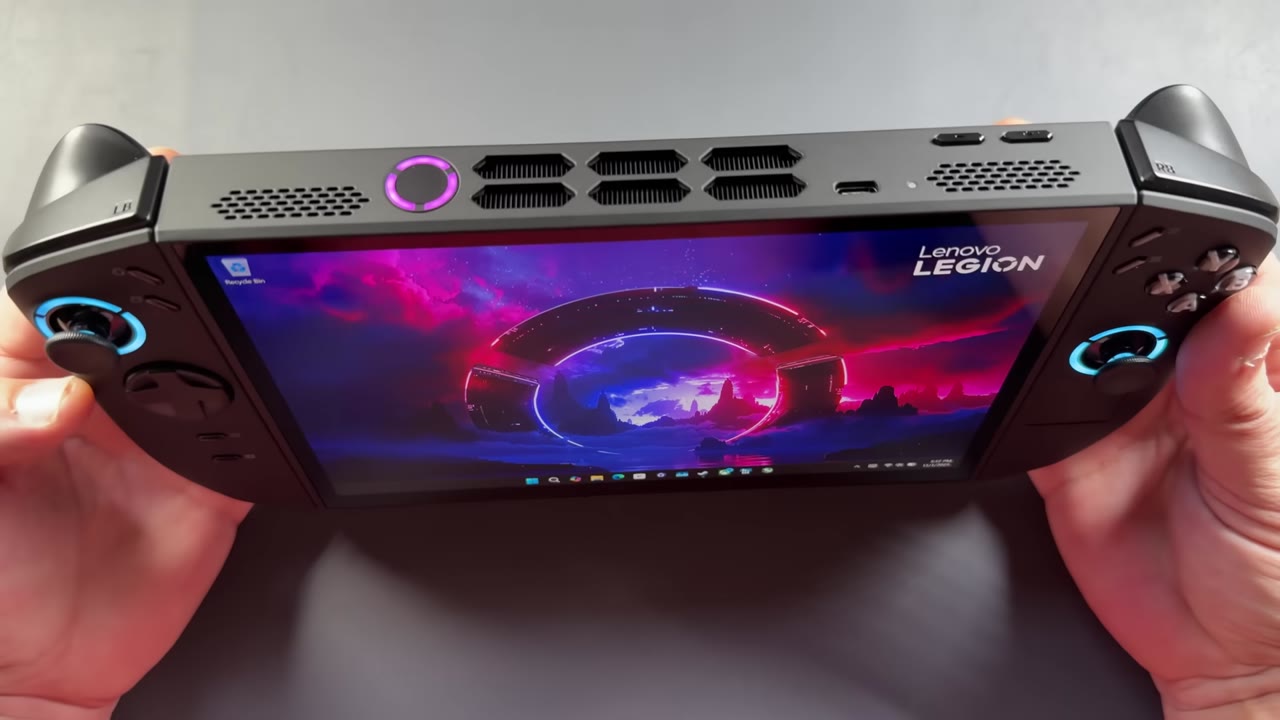
For all the complaining I can do about the Go 2, or really any handheld you put in my hands, there's a lot to love too. Lenovo did a great job improving the original Go in pretty much every way. It truly feels premium, with great build quality that has held up with no issues in the first three months. The controllers, the screen and the audio, among other things, are all very much improved over the original. The device still pushes the limits of handheld size, but I've gotten used to that, and the redesigned controllers make a big difference in comfort. Every time I pick it up, I still notice the quality of the materials on the main device and controllers.
The OLED screen
It's been over three months, and the screen is still shockingly good. The large OLED makes everything look great, and for gaming especially, the 144Hz VRR is fantastic. The HDR is great too: the display has enough brightness to pull it off, and the OLED's contrast and blacks go right along with it, which makes HDR something you can actually use here. It's still the best display I've personally used so far on a PC handheld.
Z2 Extreme efficiency
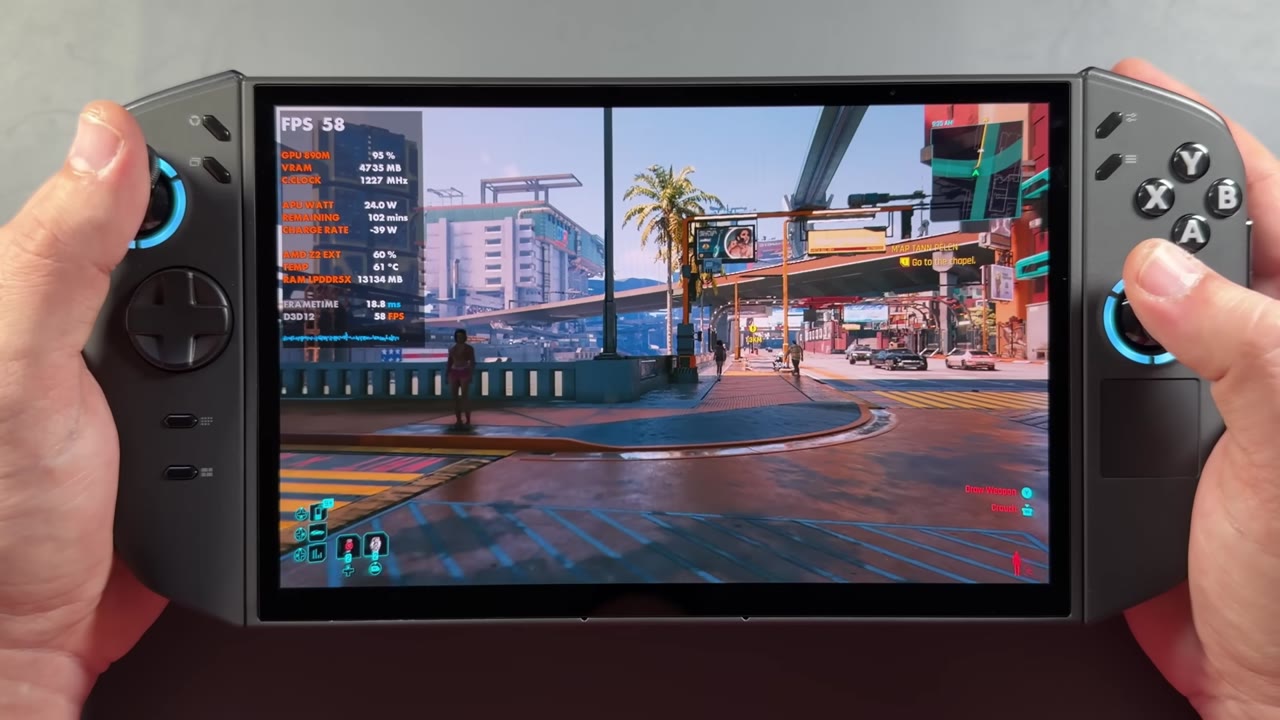
A few months in, I still appreciate the improvements with the Z2 Extreme. It may not be a huge leap in FPS over the Z1 Extreme in a lot of games, but it is an increase, and the real story is the efficiency. AMD really worked on that this time, and it shows. In a lot of games around 17 watts, you get the performance you'd need 20 to 25 watts for on a Z1 Extreme, with better battery life. Overall, the chip makes the device feel faster, snappier and that much better at gaming and battery life.
Launch issues fixed
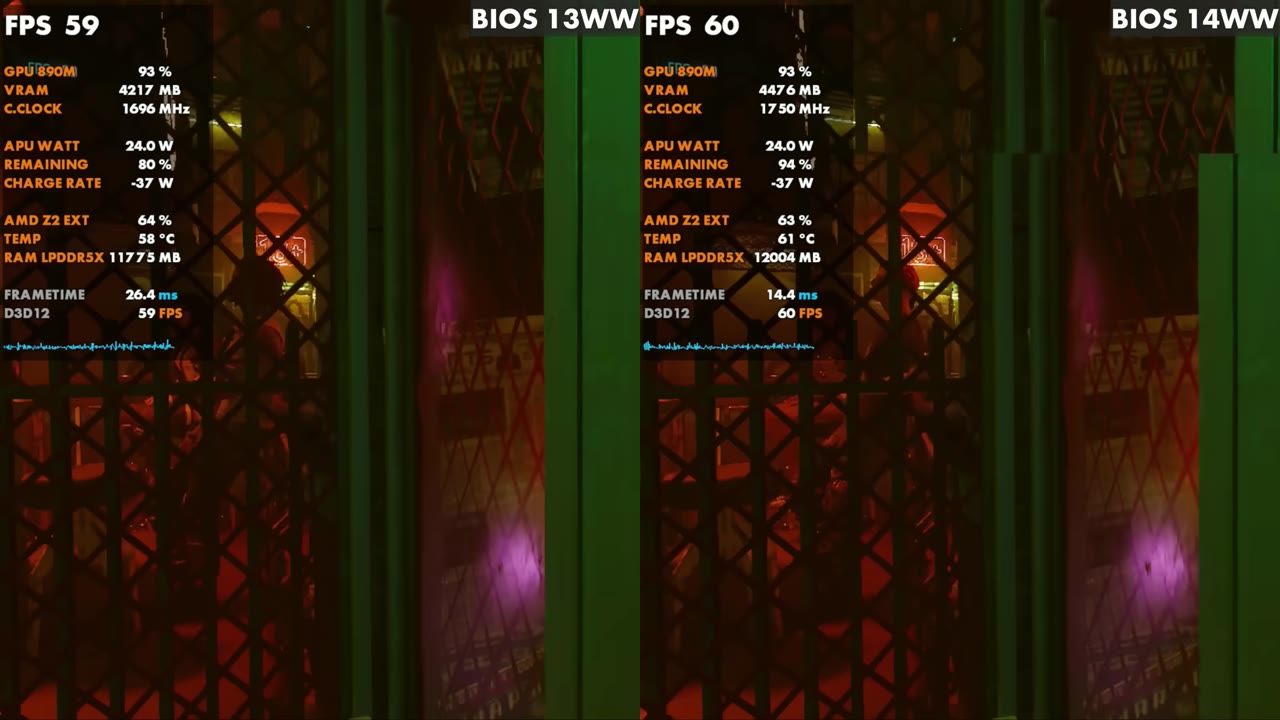
We may not be getting much in the way of GPU driver updates yet, but Lenovo has done good work fixing launch issues. Some games, like Cyberpunk 2077, really struggled out of the gate: GPU clocks would be low and FPS wasn't where it should be. There was an obvious issue with how power was being balanced between the CPU and GPU. Updates in the first couple of months, including new BIOS and power management drivers, seem to have completely fixed it, and I covered that in other videos when it happened. Hopefully, with the other drivers and BIOS cleaned up, Lenovo will soon start bringing us updated GPU drivers again so upcoming games run as they should. I was super happy to see these issues addressed so quickly in the launch window.
Go Tweaks
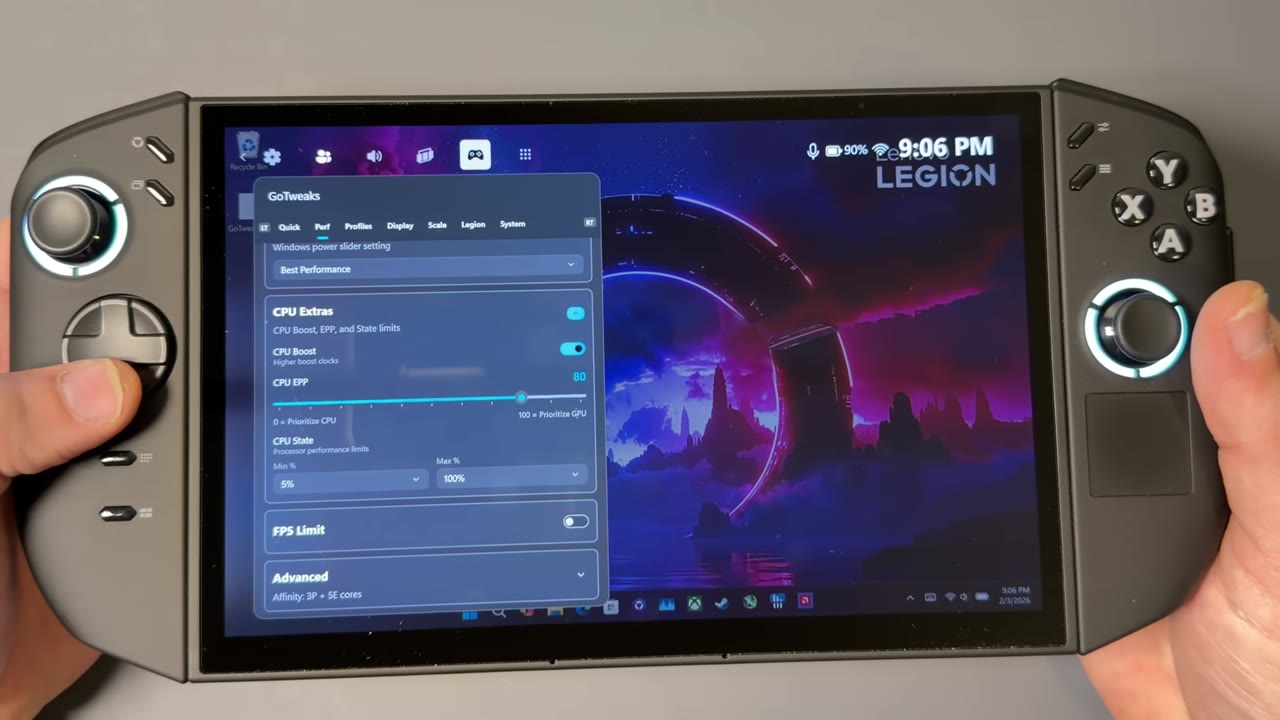
One more thing worth mentioning is Go Tweaks, a Game Bar widget for the Legion Go devices. It wasn't available at launch, but over these three months it's come a long way and opens up more control and options than Legion Space has yet, as good as Legion Space has gotten. It won't be for everybody, but if you want a little more control over your Legion Go, I suggest taking a look. I've covered it in a couple of full guide videos on the channel, and it's still getting updates and new features. It's been great for me, and I've loved watching it grow alongside the Legion Go 2.
Verdict after 3 months
There's a lot more I like and don't like about the Go 2, as there would be with any handheld, but these are my main thoughts after the first three months. I'm happy with the improvements so far, and my unit has had no problems at all since launch. I'm hopeful the old GPU driver situation doesn't play out the same way with the Go 2 as it did with the original Go, but it hasn't been long enough to know. All in all, I'm really happy with the Legion Go 2 Z2 Extreme, and I use it every day for one thing or another, especially gaming. The only real point of contention for me has been the price, which isn't likely to change anytime soon. For how it held up after that, see my Legion Go 2 Z2 Extreme 6 months later review.
Want more handheld tests?
New Steam Deck, ROG Ally, Legion Go and Steam Machine performance videos every week.